FAQ
Questions operators ask us
Practical answers about lead times, compliance, logistics, sustainability and how we work with architects and operators.
Common questions
Twenty-eight things you may want to know
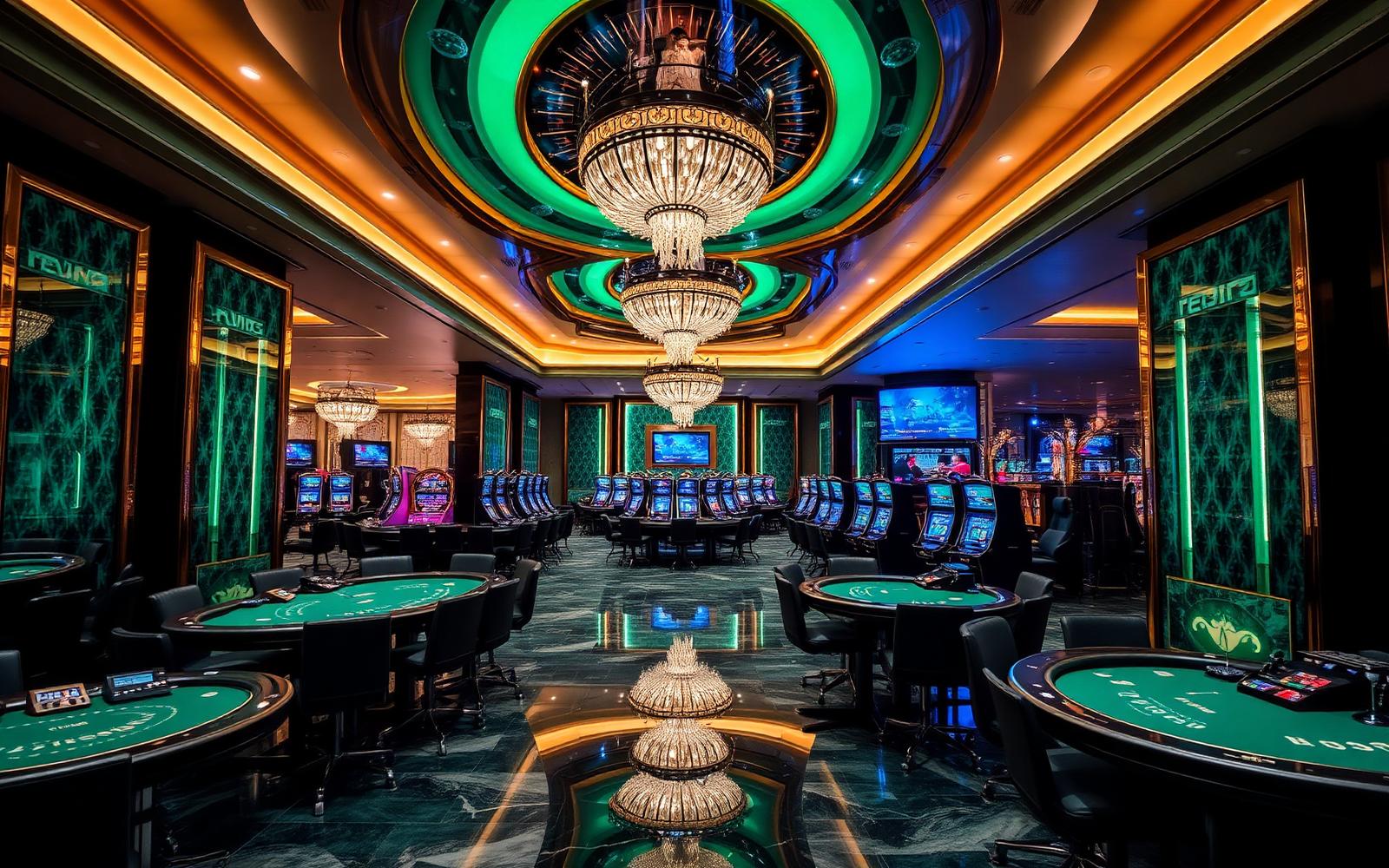
We supply and coordinate the complete interior package for gaming environments: VIP furniture, decorative and architectural lighting, custom carpets, textile and curtain systems, decorative wall features, commissioned art, and the interior concept work that ties them together. We are a specification, sourcing and delivery partner rather than a general contractor.
Our practice is dedicated to gaming and adjacent hospitality environments — casinos, integrated resorts, casino hotels, VIP clubs, entertainment complexes and private gaming facilities. We do not take on residential or generic commercial office work, because the wear, acoustic and compliance requirements of gaming interiors are a discipline of their own.
Our studio and material library are located in Auckland, New Zealand, with a consolidation warehouse in Christchurch and sourcing representatives across Europe and Southeast Asia.
Yes. Phased delivery into a trading venue is a core competency. We plan overnight installation windows, acoustic hoarding, dust management and daily reinstatement so the operator can trade the following morning without visible disruption.
Bespoke gaming tables generally run 14 to 20 weeks from approved shop drawings, and upholstered VIP seating 10 to 16 weeks depending on fabric availability. We publish a live lead-time schedule to clients at the start of the procurement stage.
We operate through a vetted network of specialist manufacturers rather than a single factory. This lets us match each item to the workshop best suited to it — a Central European joinery for burl veneer casework, an Italian upholsterer for tailored seating, and so on.
Every specified item is documented against the applicable standard for its territory. In New Zealand and Australia this typically means AS/NZS 1530.3 and AS/NZS 3837 flammability data for textiles and carpets, with equivalent EN and NFPA documentation supplied for international projects.
Yes. We routinely translate an operator's brand palette, logo geometry and tone into carpet patterns, metal etching, upholstery detailing and lighting rhythm — usually in ways a guest reads as atmosphere rather than branding.
We take on complete rooms rather than individual items. The smallest projects we accept are typically a single VIP salon or lounge of around 150 square metres.
Yes. Every concept stage includes photoreal visualisations of the key sightlines, plus a physical material board so clients can judge texture and sheen in the actual lighting temperature planned for the space.
We price in three parts: a fixed design and concept fee, an itemised supply schedule for each product line, and a separate installation coordination allowance. Clients receive a full cost breakdown before any manufacturing order is placed.
Yes. We manage freight consolidation, customs documentation, port clearance and inland transport, and we hold goods in our own warehousing until the site is genuinely ready to receive them.
Frequently. We begin with a documentation audit to establish what has been ordered, what remains open, and where specification gaps exist, and then issue a recovery schedule before continuing.
For high-traffic gaming floors we generally specify an 80/20 wool-nylon or solution-dyed nylon axminster at 1,100 to 1,400 grams per square metre, with a pattern scale designed to disguise soiling between deep-clean cycles.
Acoustics are addressed at concept stage, not retro-fitted. Carpet underlay, ceiling absorption, upholstered wall panelling and drapery weight are balanced together to bring gaming floor reverberation into a comfortable range for conversation at table level.
Yes. We specify DALI-2 and networked control systems with scene programming for trading hours, private events, cleaning and emergency modes, and we hand over documented scene libraries to the operator's engineering team.
When correctly specified, yes. We use commercial-duty tracks rated for high cycle counts, with accessible motor housings and a documented maintenance interval rather than residential hardware scaled up.
Yes. Our art programme covers curation of existing works and full commissioning, including artist selection, contracting, studio visits, installation engineering and provenance documentation.
A complete floor of six to ten thousand square metres typically runs 12 to 20 months from first consultation to final inspection, depending on manufacturing lead times and site readiness.
Every project closes with a maintenance manual covering cleaning agents, service intervals, spare stock quantities and reorder references for each specified item.
We recommend an attic stock allowance of three to five per cent for carpet and upholstery fabric, and we can warehouse it on the client's behalf under a storage agreement.
We prioritise suppliers with verified chain-of-custody timber, recycled-content yarns, low-VOC finishes and documented take-back schemes, and we report the environmental credentials of each specified line in the supply schedule.
Yes. We deliver across Australia, the Pacific and Southeast Asia, and coordinate with local installation teams where jurisdiction rules require licensed resident contractors.
Suppliers pass a written audit covering production capacity, certification, labour standards, sample quality and financial stability, and are reviewed annually against delivered project performance.
Almost always. We integrate into the existing consultant team, take the architect's spatial intent as given, and focus our contribution on furniture, lighting, textile and decorative specification.
We walk the completed interior against a line-by-line specification schedule, log every deviation, agree remediation dates and only issue completion documentation once the snag register is fully closed.
Yes. For operators with several properties we maintain a specification standard so that finishes ordered three years apart still match, including dye-lot control on carpet and fabric.
No. The contact form is an inquiry interface only. All commercial engagements begin with a scoped consultation and a written proposal.
Next step
Speak with a casino interior specialist about your floor.
Send us a floor plan, an opening date and a target standard. We will return a written scope, an indicative supply schedule and a realistic manufacturing timeline.